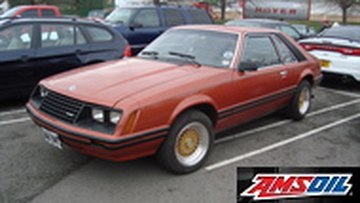
Lubrication Maintenance for the 1982 Ford MUSTANG 2.3L
Maintaining a vehicle from the early 1980s requires a shift in perspective compared to modern automotive care. For owners of a 1982 Ford Mustang equipped with the 2.3L engine, routine service is not just about following a schedule; it is about monitoring the physical condition of aging components and ensuring that the lubrication system remains effective. Because mechanical parts and seals change over decades of use, consistent observation is the most effective way to ensure long-term operational health.
Monitoring Fluid Integrity and Potential Leaks
One of the primary tasks in maintaining an older engine is the regular inspection of various sealing surfaces. Over time, gaskets and seals can undergo changes in elasticity due to heat cycles and age. When performing routine maintenance, it is useful to look for signs of fluid seepage around the engine block and associated components. Any evidence of wetness or residue near sealing areas should be investigated.
If you notice fresh fluid accumulating on the underside of the engine or dripping onto the ground after the vehicle has been parked, this may indicate a need for closer inspection. It is important to note that a small amount of seepage is not always an immediate cause for alarm, but it serves as a vital indicator of how the seals are holding up. Identifying these signs early allows for more controlled maintenance decisions rather than reacting to sudden failures.
In addition to looking for external leaks, checking the appearance of the engine oil itself can provide useful information. If the lubricant appears excessively dark, gritty, or shows signs of unusual contamination, it may warrant an earlier service interval. Maintaining clean lubrication is essential for managing the internal environment of the engine and preventing the buildup of deposits.
Observing Changes in Engine Operation
A vehicle's behavior often provides the first clues that something in the lubrication or cooling system requires attention. Owners should remain attentive to any new or changing sensations while driving or idling. For example, if you notice a change in how the engine sounds during startup or while at operating temperature, this warrants an investigation into the condition of the lubricants and related mechanical components.
Changes in exhaust characteristics can also be relevant. While various factors influence exhaust output, certain types of smoke may be associated with how the engine is managing its fluids. Similarly, if you notice a change in how the vehicle handles heat, it is important to check all fluid levels and ensure that the cooling system is functioning as intended. Because symptoms like unusual noises or odors can have many different origins, they should be treated as prompts for a professional inspection rather than definitive diagnoses of a specific part failure.
Prioritizing Maintenance Through Condition-Based Assessment
For an older vehicle like the 1982 Ford Mustang, maintenance priorities often shift from strictly following a calendar to assessing the actual condition of the machine. If you are stepping into ownership of this vehicle without a complete service history, establishing a baseline is a practical first step. This involves documenting the current state of all fluids, checking for any active leaks, and noting any existing mechanical quirks.
When managing maintenance tasks, it is often most effective to address active concerns first. If there is evidence of a slow leak or if the oil level requires frequent topping off, these should take precedence over purely preventive measures. By focusing on what the vehicle currently needs, you can manage repair costs more effectively and prevent minor issues from escalating into larger mechanical problems.
Keeping a detailed log of all completed services—including the dates, the types of products used, and any observations made during inspections—is highly beneficial. This record becomes an essential tool for understanding how the engine is aging and helps in distinguishing between normal wear and issues that require intervention. A well-documented history allows you to see patterns, such as whether a specific component is showing signs of gradual deterioration over several years.
Inspecting Peripheral Engine Components
While the focus is often on the internal lubrication, the components surrounding the engine also play a role in overall system health. If equipped, accessible drive belts should be inspected periodically for signs of wear such as cracking, fraying, or glazing. These belts are subject to significant heat and tension, and their condition can impact how various accessories function.
Similarly, if the vehicle is equipped with various hoses, these should be checked for softness, brittleness, or bulging. Any evidence of leaks at connection points or clamps should be addressed promptly. Maintaining the integrity of the cooling and vacuum systems helps ensure that the engine operates within its intended thermal range, which in turn supports the stability of the engine oil.
Electrical connections and wiring harnesses also benefit from periodic visual checks. In older vehicles, corrosion or loose connections can lead to erratic sensor readings or intermittent issues. Ensuring that electrical components related to engine monitoring are clean and secure is a simple but effective part of a comprehensive maintenance routine.
Managing Long-Term Engine Health
As the 2.3L engine continues to operate through the years, the goal of maintenance is to minimize friction and manage heat effectively. This is achieved through consistent attention to fluid quality and the prevention of contamination. While modern additives can assist in maintaining cleanliness, the most reliable way to protect the engine is through regular monitoring of the oil's condition and ensuring that the lubrication system is never allowed to run low.
It is also wise to distinguish between necessary repairs and unnecessary parts replacement. Not every aging component requires immediate replacement; many can be monitored and serviced based on their actual state. By adopting a strategy of "inspect, monitor, and act," owners can maintain the 1982 Ford Mustang in a reliable state without performing excessive or unneeded work.
Buying Engine Oil for your 1982 Ford MUSTANG 2.3L
When it is time to replenish the lubrication in your engine, selecting the correct product is vital for the health of the 2.3L powerplant. You should not rely on general assumptions about what an older vehicle might need; instead, always match the engine oil to the application-specific viscosity information already displayed on this page.
When you are ready to purchase, carefully review the product labels to ensure the lubricant meets the necessary standards for your specific application. You may choose between conventional, synthetic blend, or full synthetic formulations depending on your maintenance goals and the information provided in the technical specifications above. If your vehicle has high mileage, you might consider formulations that include seal-conditioning additives, which are designed with aging engines in mind.
Always verify that the oil you select is compatible with the requirements listed for this exact year, make, and model. By following the specific guidance provided in the application data on this webpage, you ensure that the lubricant provides the appropriate level of protection and performance for your 1982 Ford Mustang.